How To Do Modulation In Music : 7a Modulation 1 / The most important thing is to do it in a subtle and eloquent way.. In this type of modulation, a particular chord serves two functions, both in the original key and the key to which you are modulating. The software synth also usually has a representation of this wheel. Just look at your chords, since they tell you what the tonality in question is and therefore inform you which scale we can use to improvise or make arrangements. In music, metric modulation is a change in pulse rate and/or pulse grouping (subdivision) which is derived from a note value or grouping heard before the change.examples of metric modulation may include changes in time signature across an unchanging tempo, but the concept applies more specifically to shifts from one time signature/tempo to another, wherein a note value from the first is made. When you start writing a piece of music one of the first things you do is choose a key to compose in.
We identify modulation in music by the sonic changes of the song's character, which occur through the modulation process. Modulation means a change in tonality.so looking back, we already know how to discover the tonality of a song. What emotion do i want to trigger? To modulate in music is simply to change a piece from one key to another. After a drum fill, the chorus begins (0:50) in the key of g major.
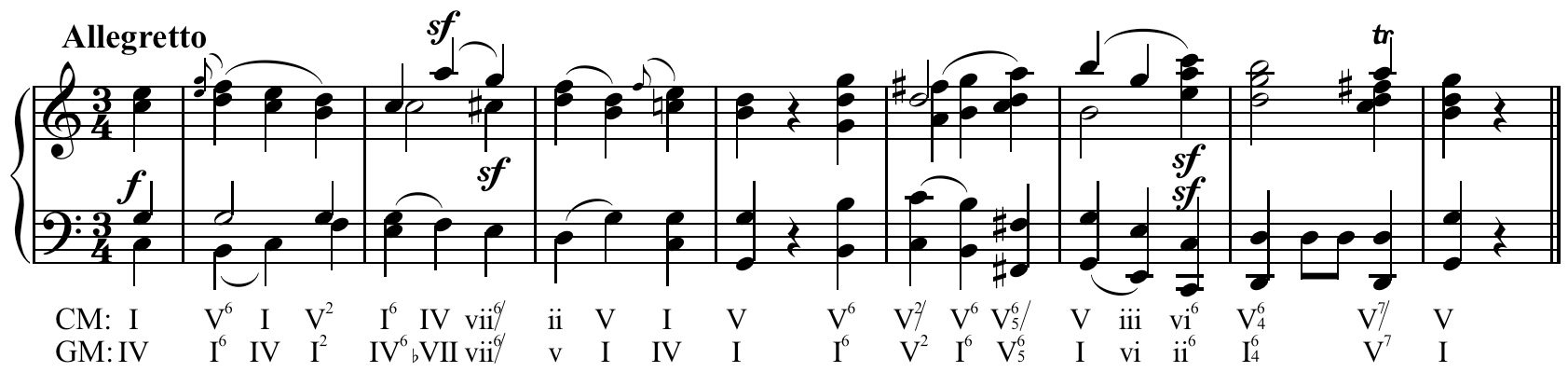
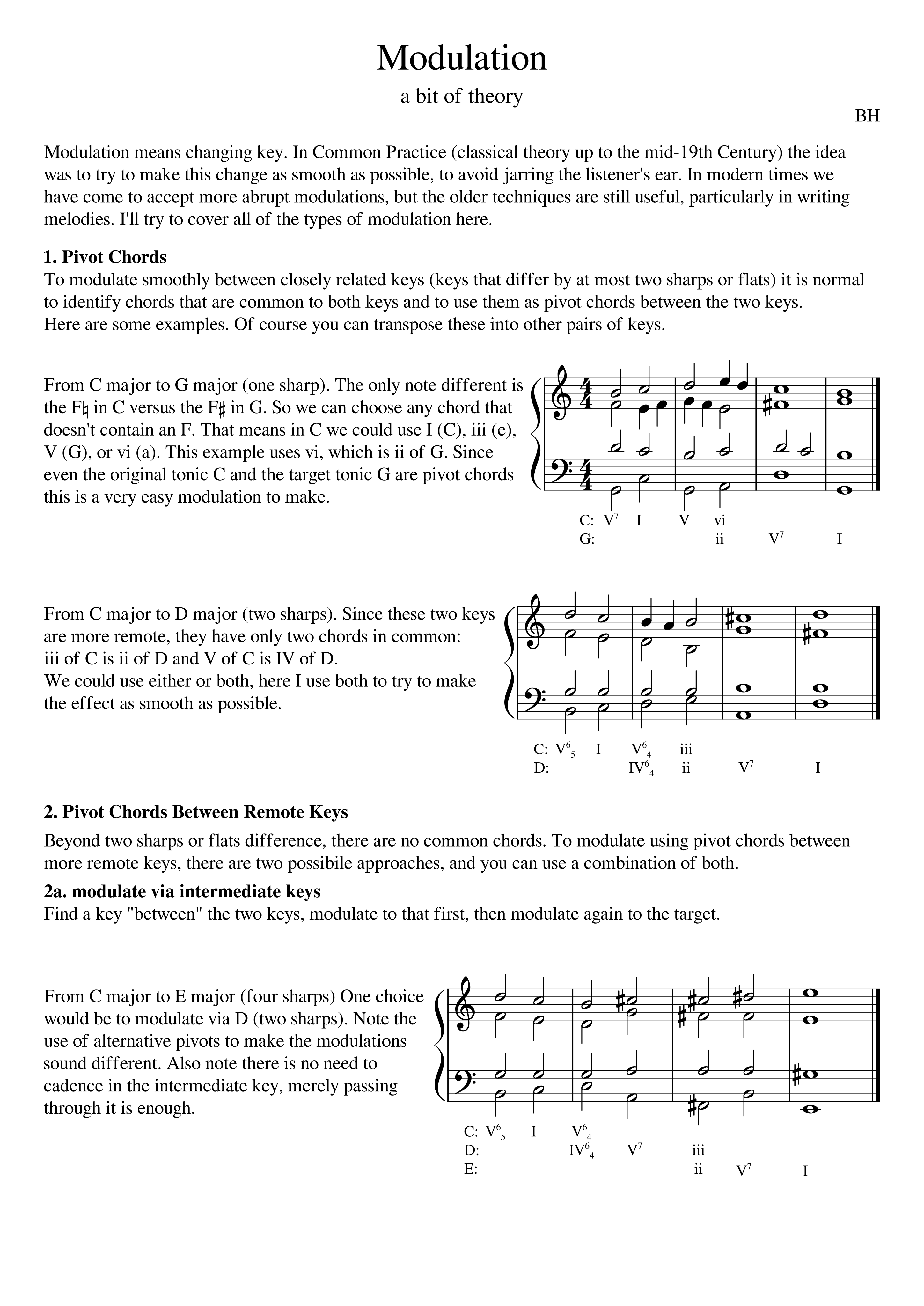
Modulation Music Facts For Kids from kids.kiddle.co But how does modulation occur? The modulation or mod wheel is the round wheel found on a hardware synthesiser or midi keyboard. As you can see, the music starts in the key of c major and modulates to d major via an em chord. The most important thing is to do it in a subtle and eloquent way. In music, modulation is the process of changing from one key to another. Three questions that you need to ask yourself to modulate are: Here's an example of what i'm talking about (ex. It is easy to modulate when you are going from one flat to two flats.
It is easy to modulate when you are going from one flat to two flats.
The dominant is the 5th note of the scale, or soh. The modulation from the tonic to the dominant key is one of the most common modulations in tonal music. We must be very careful because if we don't do it right, the modulation can create noise, distraction, or even make it seem like the sections of the song are not part of the same song. Do you struggle to modulate from one key to another? There are three basic modulation effects used in the studio today that are all closely related: However, many songs have more than one tonality, that is, they change from one key to another. Modulation means a change in tonality.so looking back, we already know how to discover the tonality of a song. Learn how to easily modulate using something known as a pivot chord. You are able to begin playing immediately in the next key. By the theory of pivot chords this return could be made using the same common chord as follows: Three questions that you need to ask yourself to modulate are: In leaving cert' we always modulate to the dominant in our melody writing. Move the wheel up or down to bend the pitch of various notes.
Modulation takes places within a composition or a movement of a composition. The mod wheel by itself can do nothing until a modulator is assigned to it. When you are ready to modulate, use your diatonic/altered common chord to pivot into destination key. Imagine a basketball player pivoting on one foot, looking for a shot. … i believe the first two sections are in the key of a major, not minor… it might confuse people if its not correct.
How And Why To Modulate To New Keys from cdn.tutsplus.com We must be very careful because if we don't do it right, the modulation can create noise, distraction, or even make it seem like the sections of the song are not part of the same song. Bobby owsinski is a producer and music technology consultant who is the author of 16 books about recording and the music business including the audio mixing bootcamp and the mixing engineer's handbook. However, since both keys share the same key signature, it can be hard to tell if the song is modulating or not. Treatment of a chord as the tonic for less than a phrase is considered tonicization. Study the beethoven sonatas and look for the key changes. Common chord modulation the smoothest way to get from one key to another is to pivot on a chord that is common to both keys. Modulation means to change key in the middle of a piece of music. Imagine a basketball player pivoting on one foot, looking for a shot.
That said, this technique is something you should develop;
A short piece such as a song, hymn, or dance may remain in a single key. When you start writing a piece of music one of the first things you do is choose a key to compose in. The most common type of modulation is called a pivot chord modulation. Music theory can help you to shift successfully from one key to another (image credit: Modulation is the essential part of the art. How to apply (diatonic or altered) common chord modulation: C modulates to g, g modulates to d etc. In music, modulation is the process of changing from one key to another. It is a natural modulation that doesn't require any further modulation. Confirm the new key with a cadence. The software synth also usually has a representation of this wheel. … i believe the first two sections are in the key of a major, not minor… it might confuse people if its not correct. This choice of key determines the scale you use, how many sharps and flats there are and what chords you can use.
When you start writing a piece of music one of the first things you do is choose a key to compose in. Study the beethoven sonatas and look for the key changes. After a drum fill, the chorus begins (0:50) in the key of g major. Then this is for you. The most important thing is to do it in a subtle and eloquent way.
Modulation Sheet Music For Piano Solo Musescore Com from musescore.com When you are ready to modulate, use your diatonic/altered common chord to pivot into destination key. The modulation from the tonic to the dominant key is one of the most common modulations in tonal music. Do you struggle to modulate from one key to another? You are able to begin playing immediately in the next key. Also, modulation is very hard to mask even when it's masterfully disguised. The mod wheel by itself can do nothing until a modulator is assigned to it. Modulation in music means changing tonality, which is the change from one key to another key. It is a natural modulation that doesn't require any further modulation.
Establish a tonal center (home key) through a progression, cadence, or static harmony.
However, since both keys share the same key signature, it can be hard to tell if the song is modulating or not. After a drum fill, the chorus begins (0:50) in the key of g major. The modulation from the tonic to the dominant key is one of the most common modulations in tonal music. The piece normally returns to the tonic key either directly or indirectly via other related keys. Also, modulation is very hard to mask even when it's masterfully disguised. Three questions that you need to ask yourself to modulate are: The dominant is the 5th note of the scale, or soh. We identify modulation in music by the sonic changes of the song's character, which occur through the modulation process. The ability to modulate to any key; Confirm the new key with a cadence. The modulation or mod wheel is the round wheel found on a hardware synthesiser or midi keyboard. Modulation is a fundamental resource for variety in tonal music, particularly in larger forms. … i believe the first two sections are in the key of a major, not minor… it might confuse people if its not correct.